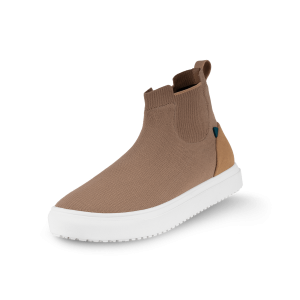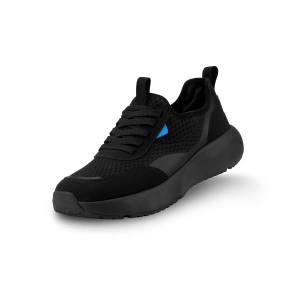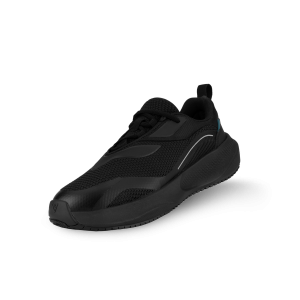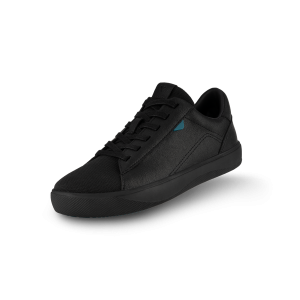
Up to 45% off
select styles
Beat the Black Friday rush -limited sizes, limited colours, limite
time.






Holiday Gift Guide
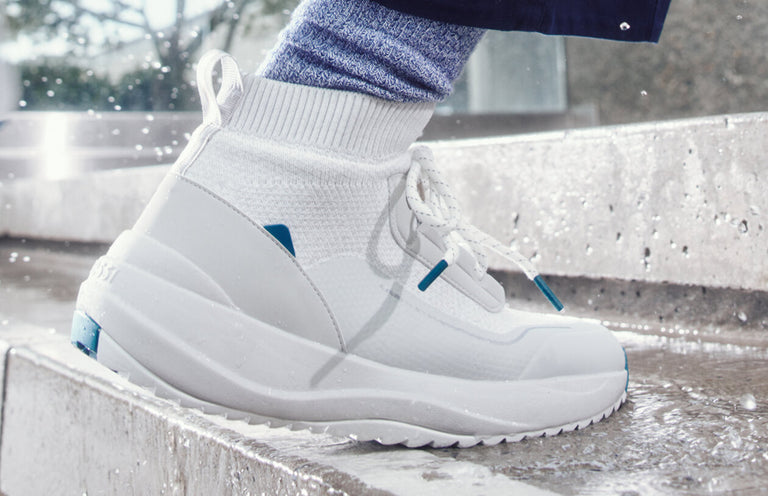













The humble rubber-soled athletic shoe has transcended its original purpose to become a profound statement on culture, design, and personal identity. More than just footwear, the modern sneaker is a ubiquitous symbol, a canvas for creativity, and a testament to material innovation. Its story is not just one of manufacturing but of evolving human connection to movement, style, and aspiration.
The initial appeal of this type of shoe was purely functional: providing grip and cushioning for physical activity. Early iterations, characterized by simple canvas uppers and vulcanized soles, offered an unprecedented level of comfort and flexibility previously unavailable in traditional leather shoes. This shift marked a revolution in the way people approached leisure and exercise. The silent sole—the reason for its popular nickname—allowed for stealthy movement, but its real power lay in democratizing sport, making specific athletic activities more accessible to the general public.
As competitive sports gained massive popularity, the need for specialized equipment grew. Designers and engineers began experimenting with new composites, molding techniques, and structural supports. This period saw a shift from generic design to highly specific forms tailored for different playing surfaces and movement patterns, whether for the quick lateral cuts on a hardwood floor or the long-distance impact of running pavement. Every curve, stitch, and air pocket was meticulously crafted to enhance performance and protect the wearer, setting a high standard for technical apparel that continues to drive innovation today.
The transformation of the athletic shoe from a piece of specialized gear to a cornerstone of popular fashion is a fascinating cultural phenomenon. This shift was propelled by influential figures and communities who adopted them off the court and track, integrating them into everyday attire. Suddenly, what was worn for function became an emblem of cool, youth, and rebellion against formal conventions.
This adoption created a new kind of collectible item. Specific models, often released in limited quantities or with unique color combinations, began to spark intense desire. The thrill of securing a rare pair is driven by a deep appreciation for the artistry and the story behind the design. Enthusiasts are drawn to the historical context of each model—the moment it was introduced, the key player who wore it, or the iconic moment it captured in the public imagination. These shoes became wearable artifacts, connecting the owner to a broader, shared history of sport and street culture.
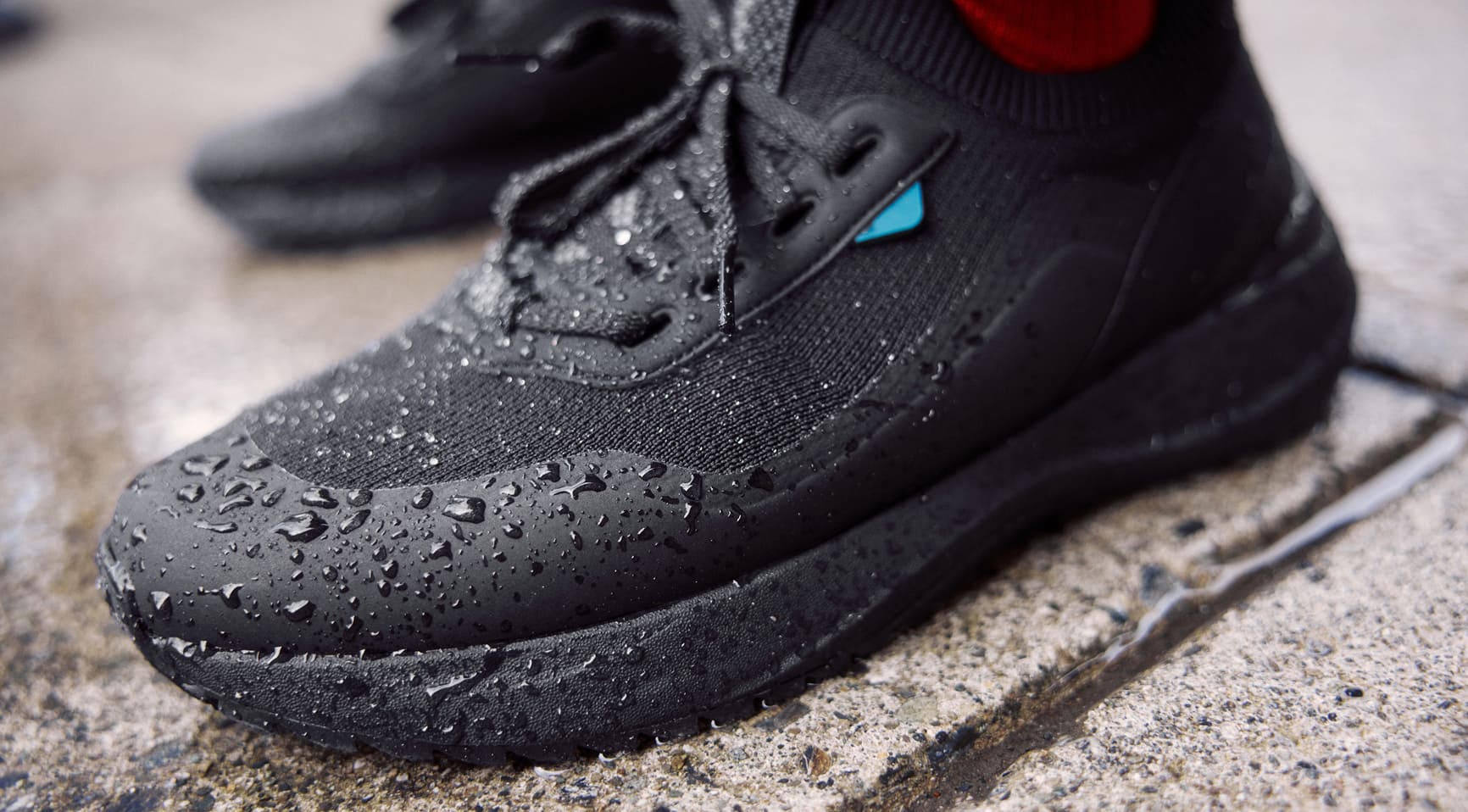
Contemporary sneaker design is a complex fusion of engineering and aesthetics. It demands a delicate balance between technical requirements—such as durability, breathability, and impact absorption—and visual appeal. The surface area of the shoe has become a miniature architectural project, where lines, shapes, and material textures communicate intent.
Designers utilize various textiles, synthetic materials, and advanced fabrication methods to push the boundaries of form. Innovations like knitted uppers that conform to the foot or novel cushioning systems that return energy with every step are constantly introduced, setting new benchmarks for comfort and performance. Beyond the technical, the color choices and graphic placements are crucial. They serve as a visual shorthand, often paying homage to specific eras, artistic movements, or collaborative partnerships. For many, the choice of a specific pair is a deliberate act of self-expression, a subtle but powerful way to communicate their personal taste and affiliations without uttering a word.
In conclusion, the sneaker’s journey is far from over. It is a dynamic object, constantly evolving in response to technological advancements and shifting cultural tides. It stands as a testament to how an item designed for physical prowess can seamlessly integrate into the fabric of daily life, influencing fashion trends, defining subcultures, and offering a potent form of self-statement. It is the perfect marriage of utility and style, perpetually stepping forward into the future.